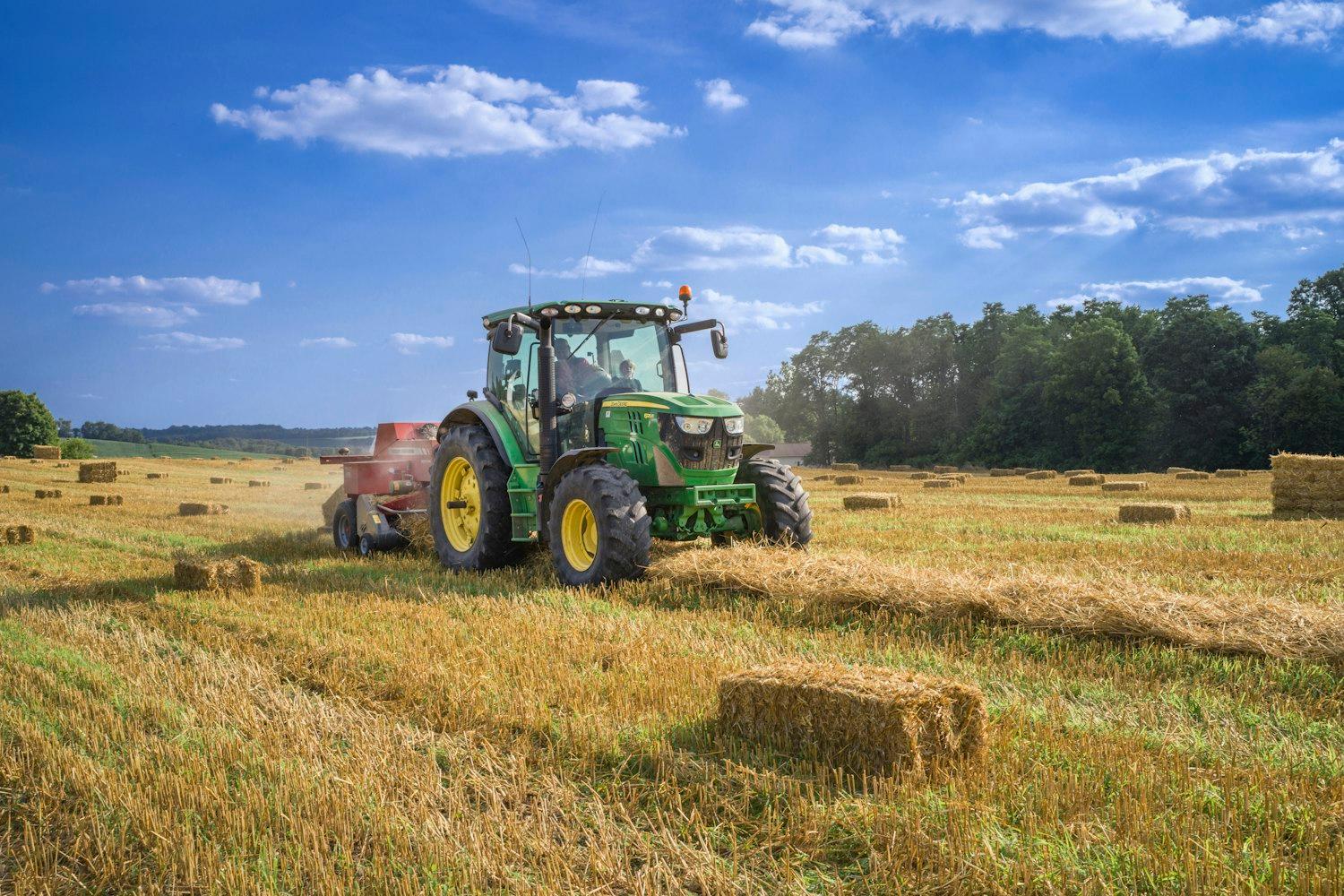
Equipment purchases are exciting and expensive. They are also difficult to reverse. A tractor that is too small for the land, an implement that does not match the hitch, or a machine with no local parts support can become a very costly ornament.
Define the job before the machine
Write down the work you need to do: hectares, soil type, crop, season length and transport distances. Then look at machines that match that work. Buying for an imagined future farm is a common and expensive mistake.
Match power to land
A compact tractor can be ideal on a small vegetable farm and frustrating on heavy clay. Ask about power at the implement, not just engine horsepower. Consider how the machine will handle the implements you already own or plan to buy.
- Confirm the hitch category and hydraulic capacity.
- Ask what is included: manuals, tools, setup, delivery.
- Check whether a training or handover session is part of the price.
Think about parts and service
Before you pay, ask where the nearest service support is and how long common parts take to arrive. A slightly more expensive machine with good support is usually the better investment.
Train the operator
Most damage happens in the first weeks. A proper handover covers daily checks, grease points, safe operation and the warning signs that mean stop. Write down the maintenance schedule and keep it with the machine.
If you are unsure, ask for a demonstration on your land or a similar farm. Seeing the machine work under real conditions is worth more than any brochure.