Most livestock problems announce themselves long before an animal goes down. A dropped appetite, a dull coat, a slow walk or a change in milk yield are all early signals. The farms that manage them well are not necessarily the ones with the most money — they are the ones paying attention on an ordinary day.
Know your animals
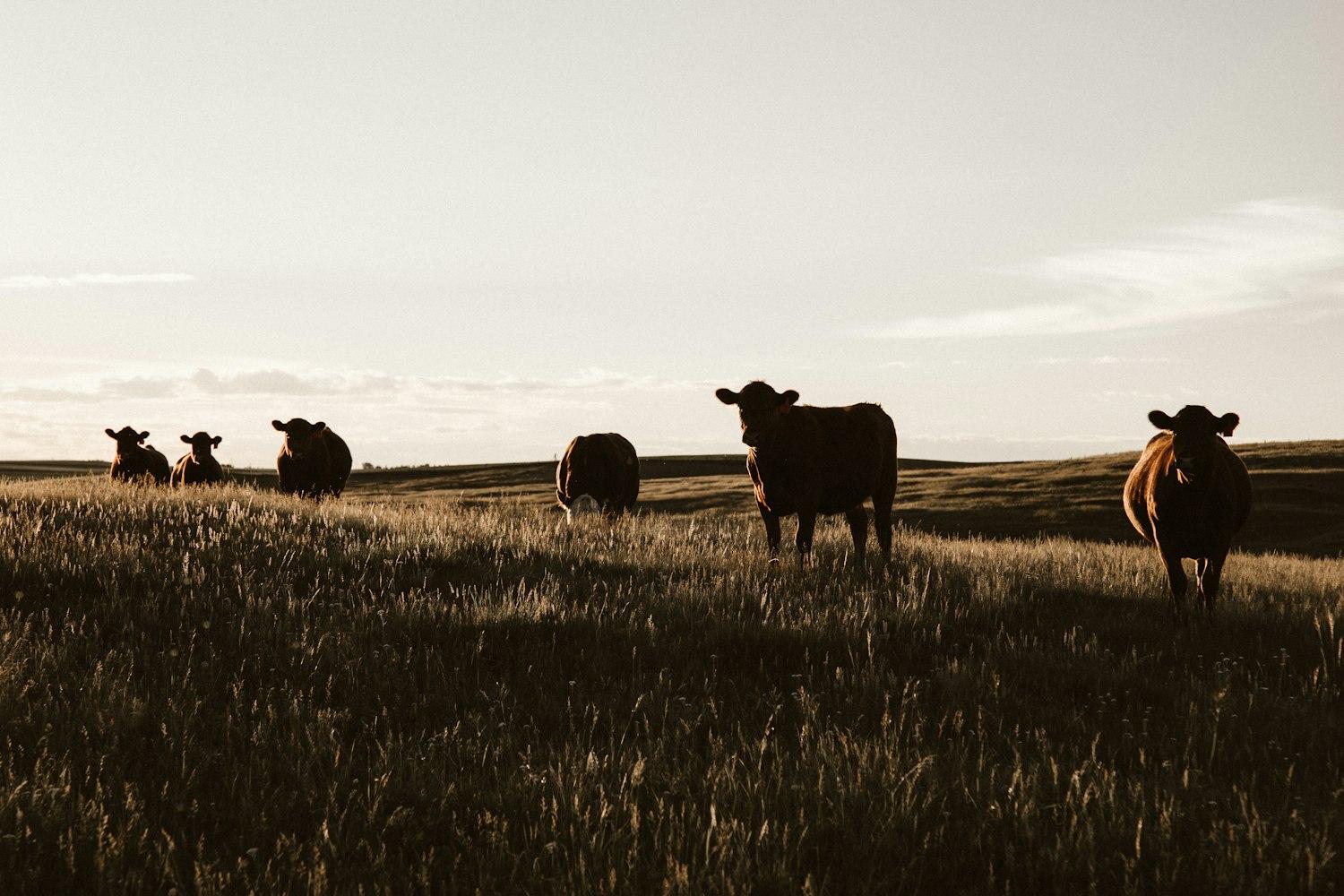
Body condition scoring is one of the simplest and most useful skills a livestock keeper can learn. Run a hand along the spine and ribs, and look at the animal from the side and behind. Condition tells you more about the feeding programme than any single weigh-in.
- Check condition at least once a month, and more often around calving or kidding.
- Watch for animals lagging behind the herd or standing apart.
- Record any treatment, vaccination or unusual event with the date.
Feed for condition, not just volume
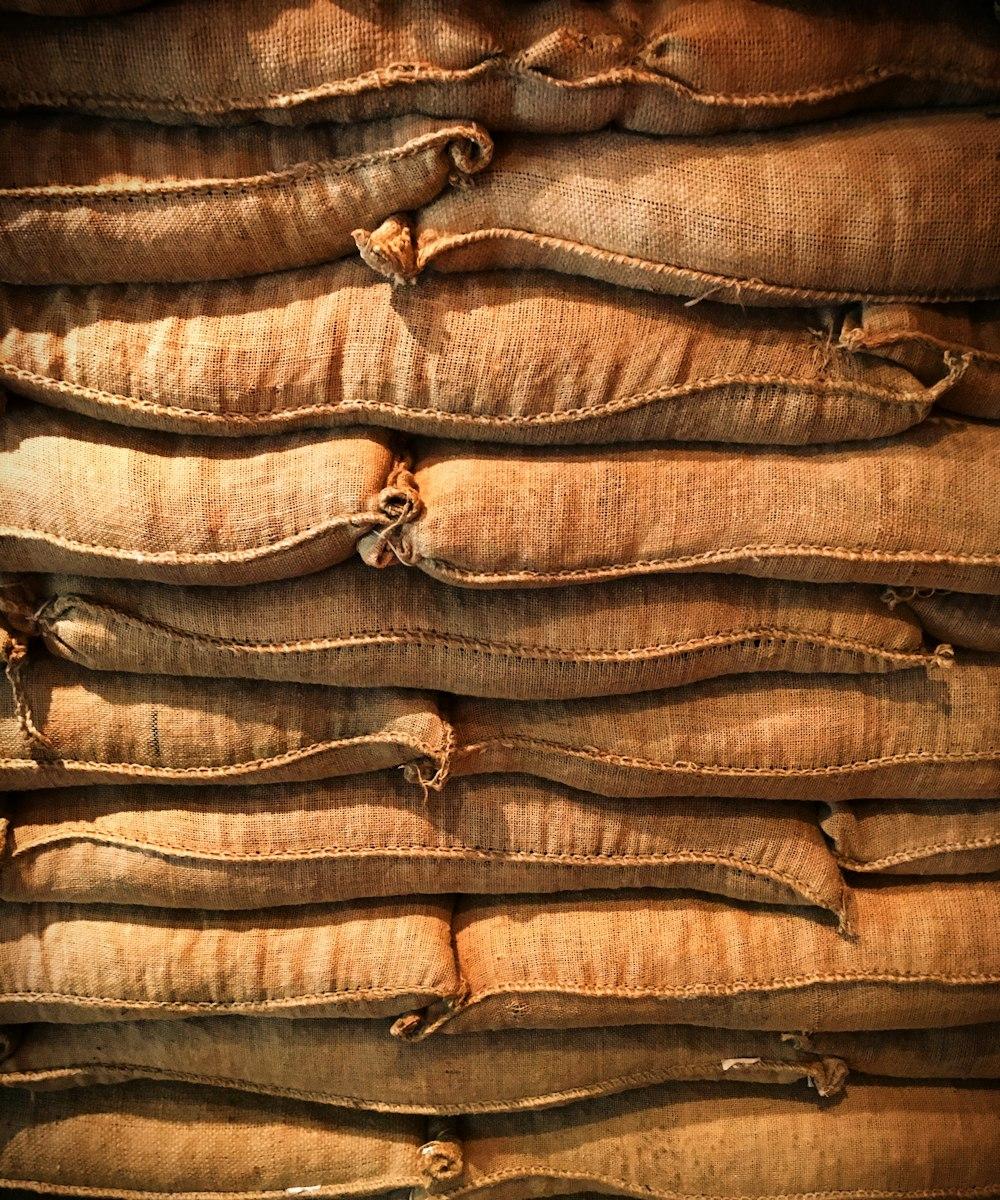
A full rumen is not the same as a balanced ration. Forage provides the base, but growing, pregnant and lactating animals need additional energy, protein and minerals. Poor mineral status can show up as weak heats, low conception rates and dull coats long before it affects body weight.
“The cheapest animal to treat is the one that never gets sick. Routine feeding and observation cost far less than an emergency.”
A simple health calendar
Work with a veterinarian to set a local vaccination and deworming schedule, then put it on the wall. Include hoof checks, external parasite treatment and a condition review. A written calendar removes the guesswork and makes it easier to buy inputs before they are urgently needed.
Breeding and replacement
Keep records of service dates, calving or kidding dates and outcomes. Retain females that conceive reliably, mother well and stay in condition. Replacing a poor performer is often more profitable than carrying her for another year.
Housing, shade and water
Heat stress quietly reduces intake and fertility. Shade, airflow and clean water are basic but powerful. Pens should drain well and be easy to clean. If animals are housed at night, make sure the space is not so tight that bullying prevents weaker animals from reaching feed.