Feed is the largest recurring cost on most livestock farms, and the easiest place to lose money quietly. Poor feed does not always cause obvious illness. More often it produces slow growth, lower milk yield and animals that never quite reach condition.
Read the label, then ask questions
A good feed label states the crude protein, fibre, energy and calcium levels, the ingredients used, the manufacturing date and the intended species. If those details are missing, ask. A seller who cannot explain what is in the bag is a risk.
- Check the milling or manufacturing date.
- Match protein and energy levels to the animal and stage of production.
- Look for a consistent particle size and no sign of mould or caking.
Freshness matters
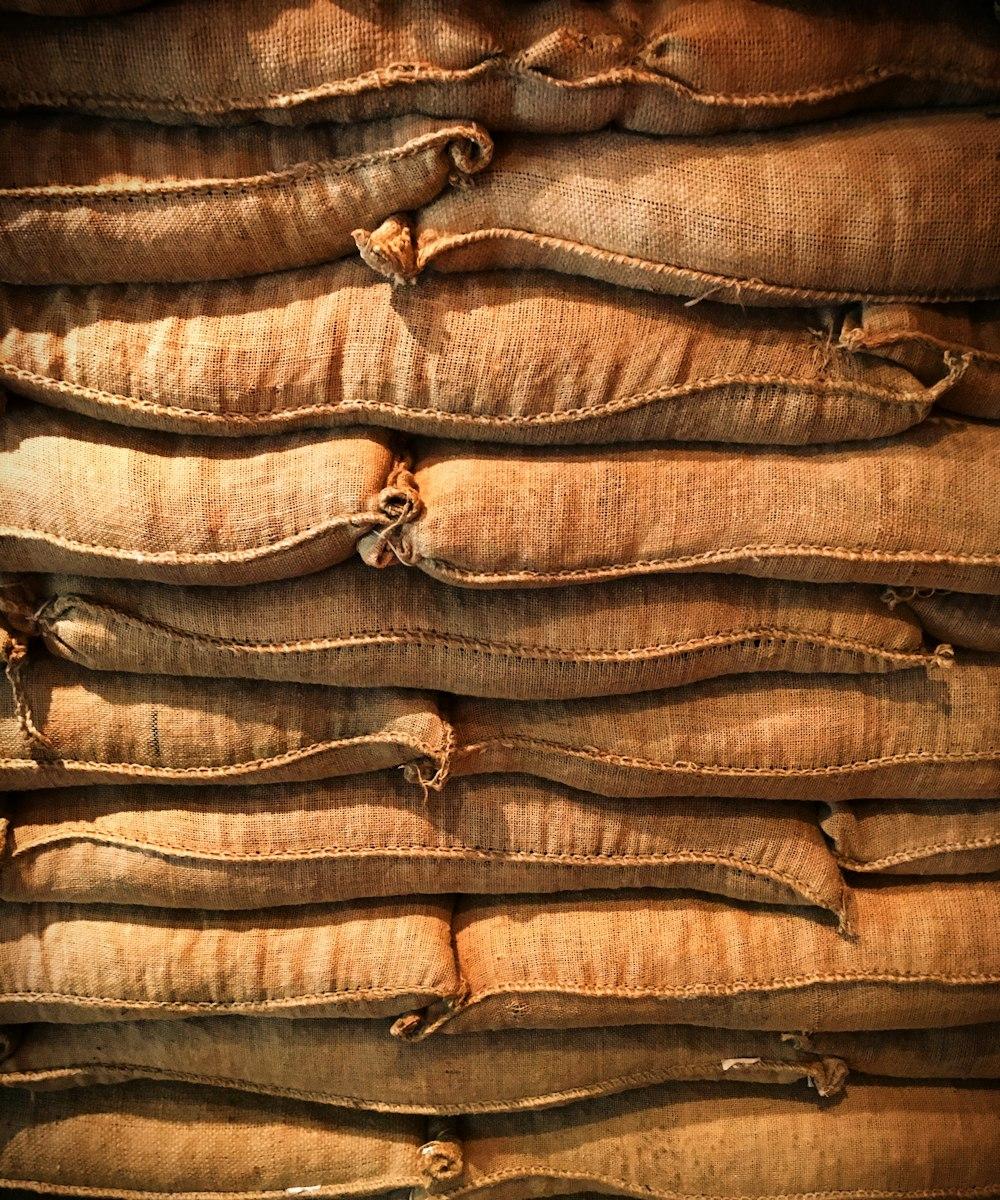
Feed loses value as it ages, especially in heat and humidity. Buy in quantities you can use within a few weeks, and rotate stock so older bags are used first. Store bags on pallets, away from walls and direct sun.
Match the feed to the animal
Dairy meal is not a universal cattle feed. A growing heifer, a lactating cow and a dry cow have different requirements. Poultry rations change by age as well. Using the wrong ration wastes money and can unbalance the diet.
Forage first, concentrate second
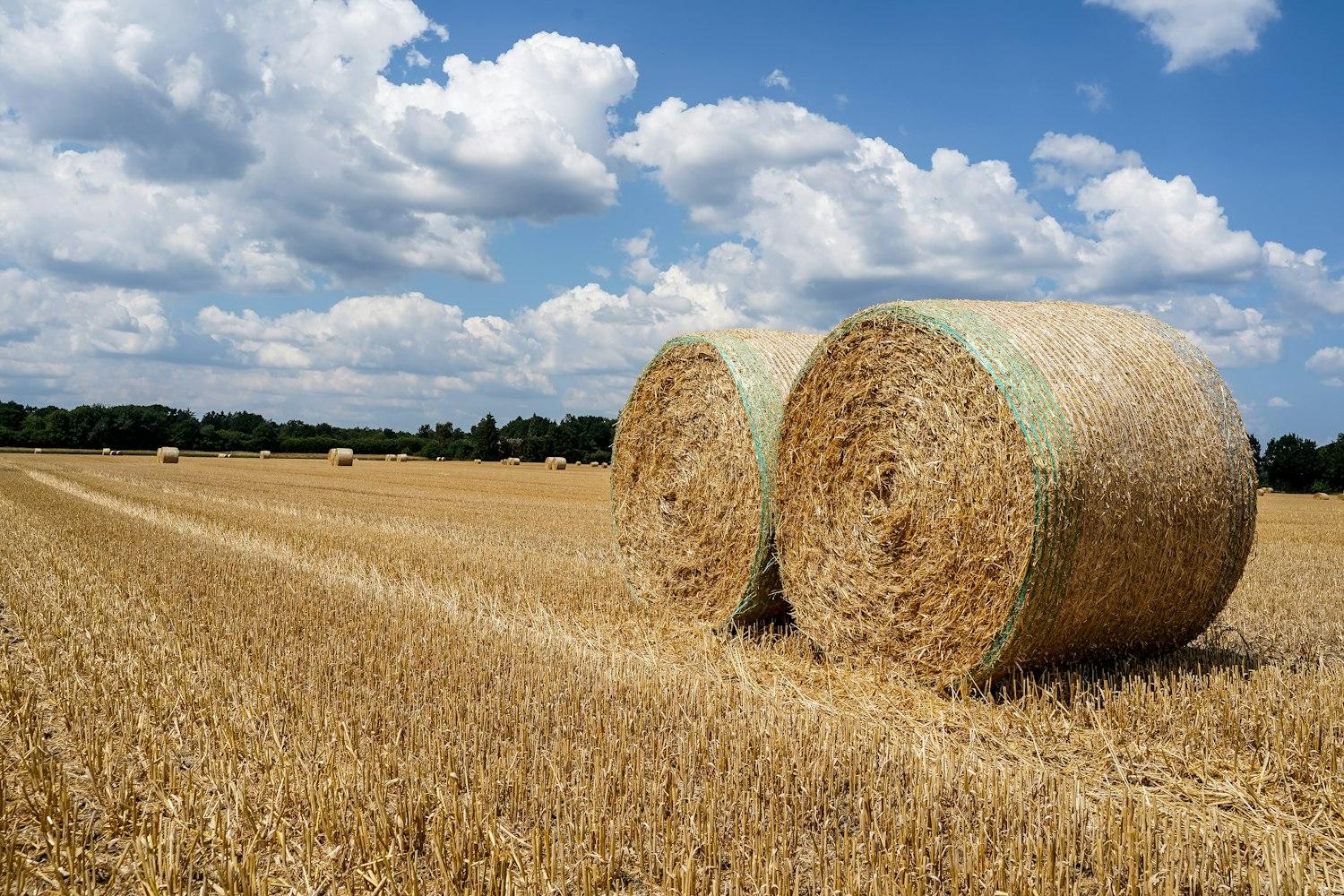
Concentrates support what forage provides; they do not replace it. If hay or grazing is poor, adding more concentrate rarely fixes the underlying problem. Improve roughage first, then use concentrate to close the gap.
“A balanced ration is not the most expensive one. It is the one that matches the animal's need without excess.”
Store feed properly
Heat, moisture and rodents destroy feed value. Keep the store dry, ventilated and tidy. Raise bags off the floor, leave space around stacks, and never use feed that smells musty or shows discolouration.