Every harvest begins with a series of small decisions. Which variety? When to plant? How deep? How far apart? None of them feel dramatic at the time, yet together they set the ceiling on what the crop can achieve.
Choose a variety for your conditions
A variety that performs well in one district may disappoint in another. Match maturity length to your rainfall or irrigation window, and consider market preference as well as yield. Ask for local trial results rather than relying only on a supplier's description.
Prepare a proper seedbed
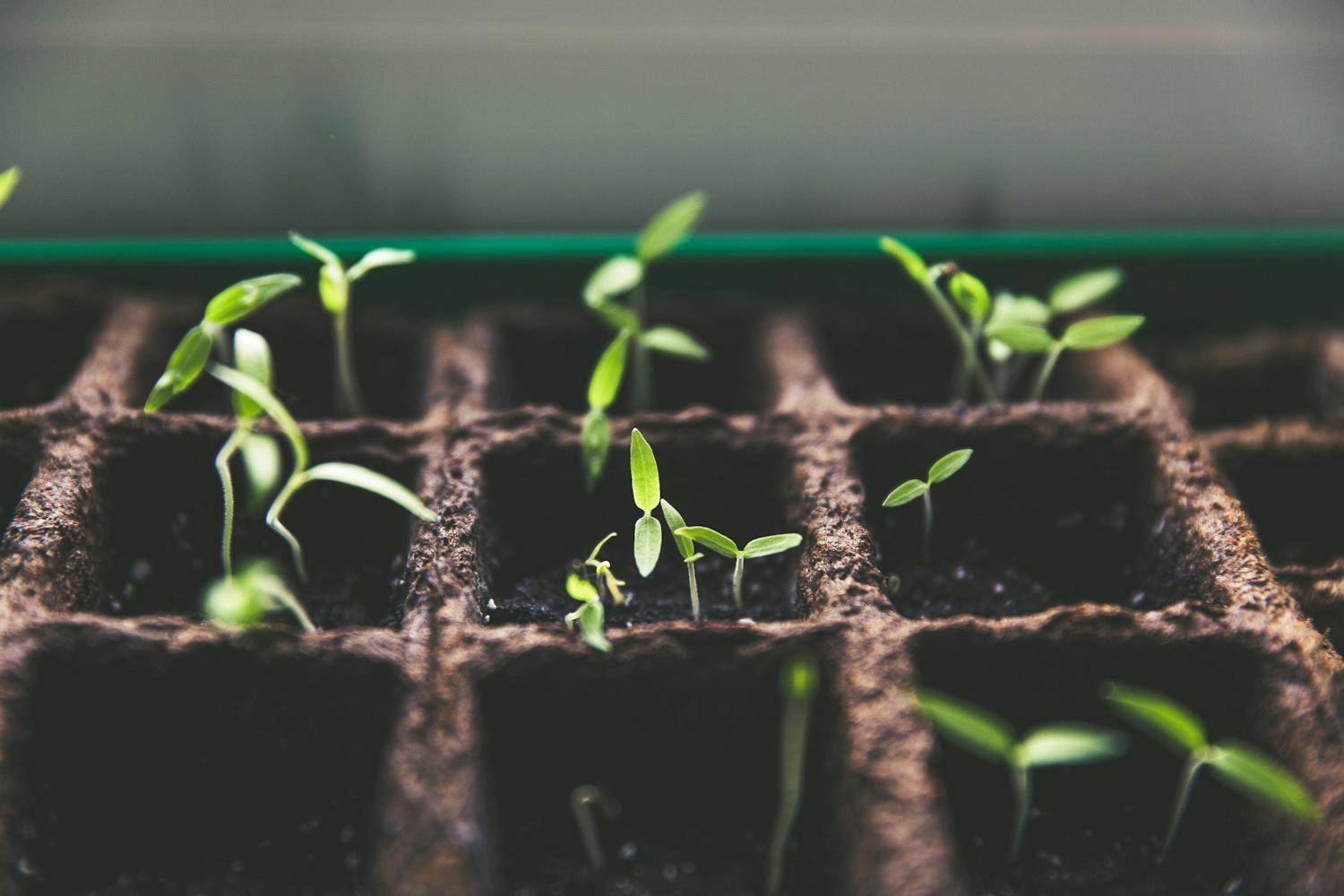
Seed needs good contact with fine, moist soil. Large clods and hollows cause uneven emergence. Prepare early enough that the bed has time to settle, and avoid compacting the soil with repeated passes over wet ground.
Plant at the right depth and spacing
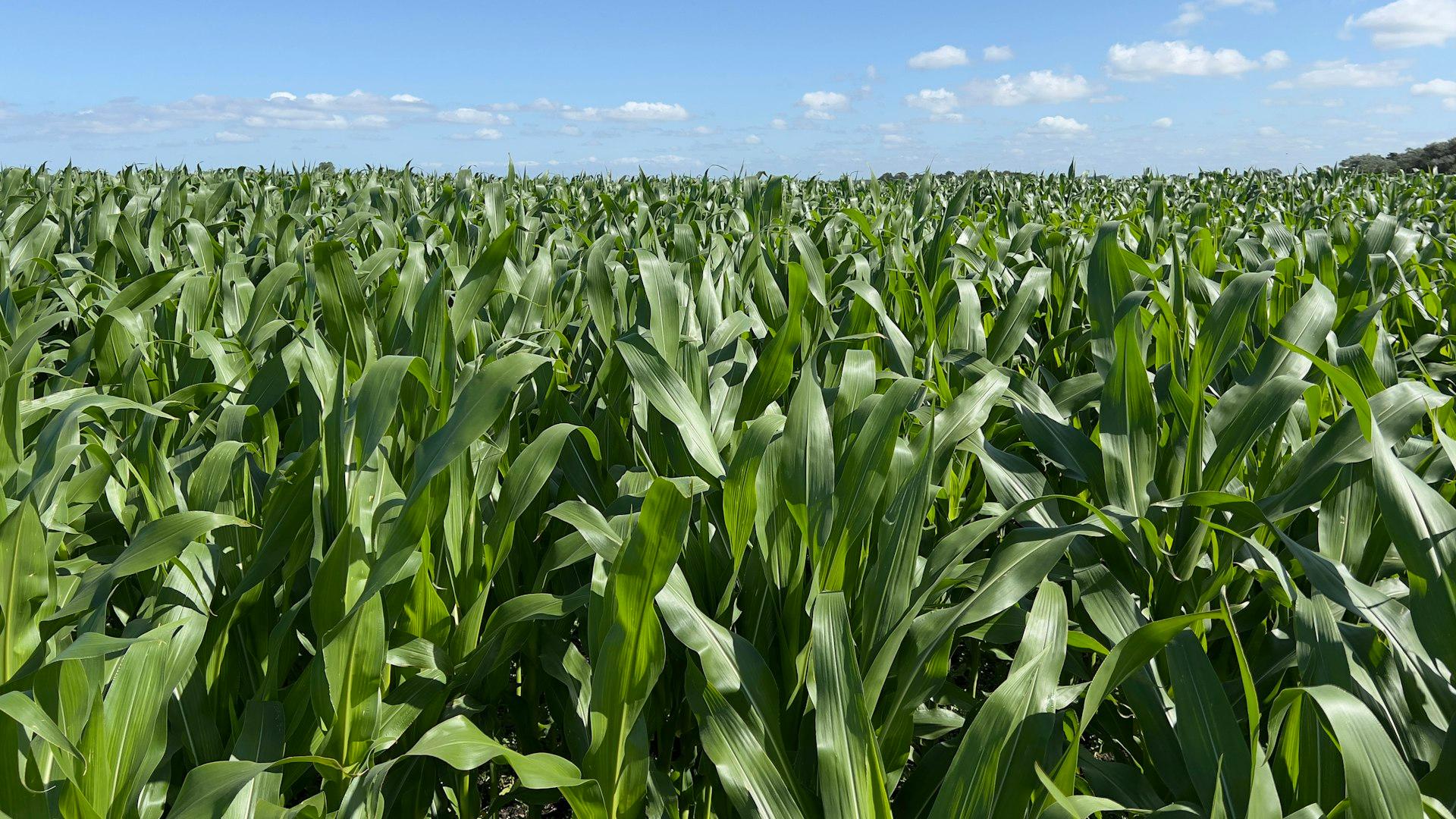
Too deep and the seedling runs out of energy before reaching the surface. Too shallow and the seed dries out. Follow the recommendation for the crop and soil, then check a few seeds after planting to confirm depth.
- Use a measured string or marker for row spacing.
- Plant into moisture, not into dry dust.
- Replant gaps early rather than living with an uneven stand.
Feed the crop, not the weeds
Weeds compete for water and nutrients from the first week. Control them early, when they are small and before they set seed. Fertilizer applied near weeds is fertilizer wasted. Band placement and timely weeding make a measurable difference.
Harvest and store well
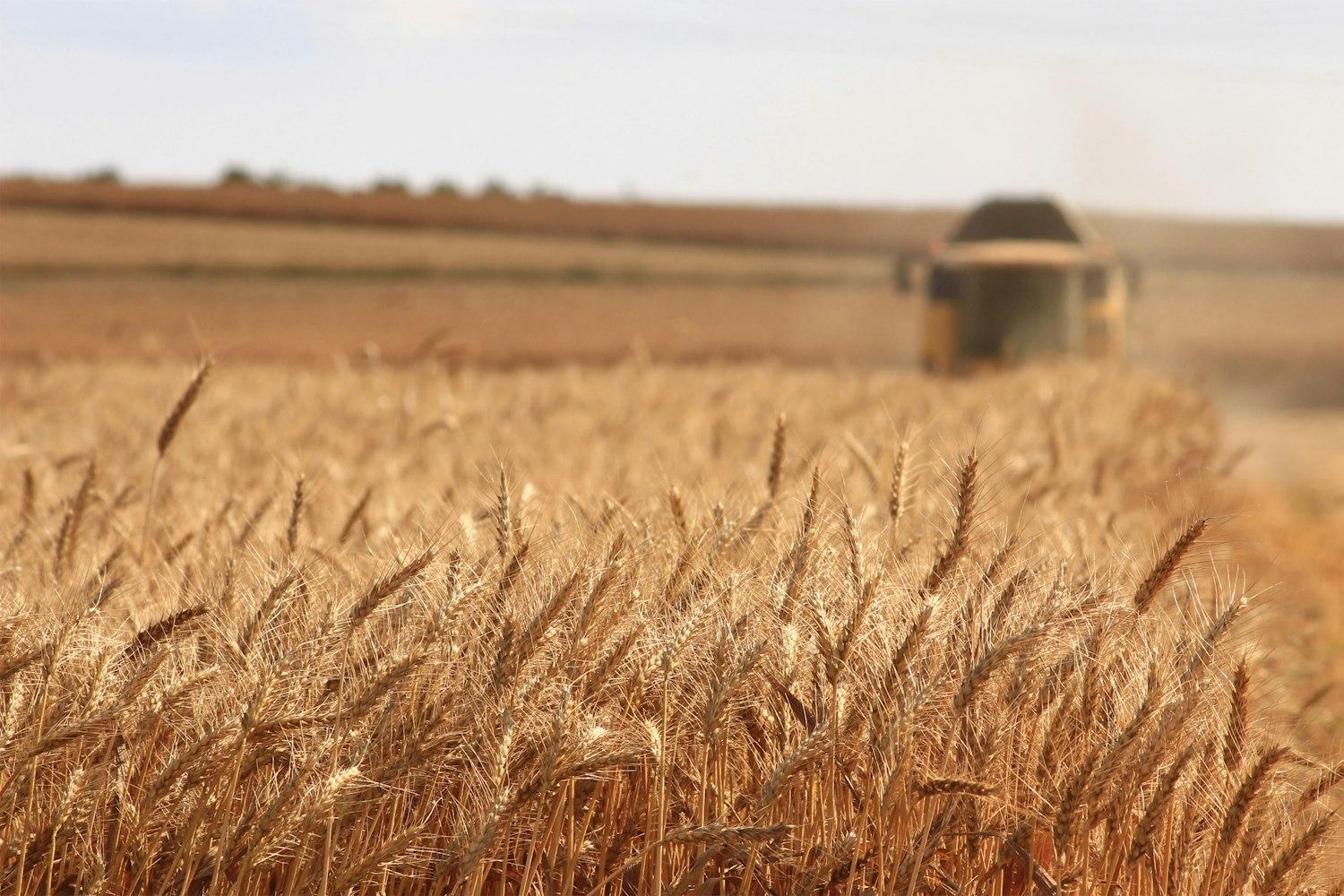
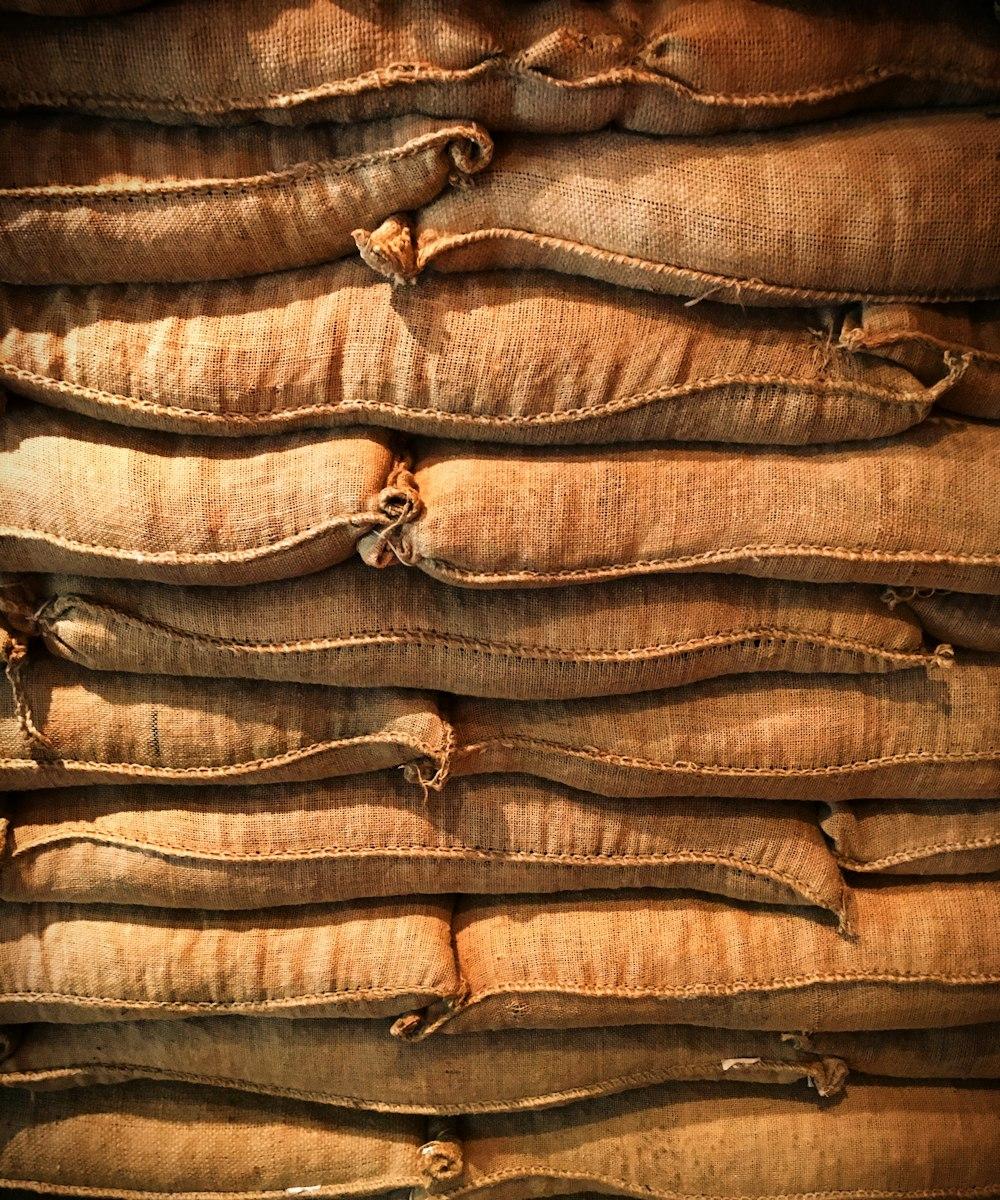
A good harvest can still be lost in storage. Harvest at the right moisture, dry thoroughly and store on pallets in a clean, dry space. Check regularly for insects and rodents. Grain that is properly dried and stored holds its value.